
Case Study:Rooms at PandaDoc
What began as a tool for real estate eventually grew into a universal deal room platform.
Opportunity
US real estate market with 6M+ transactions/year and 2M+ agents
Research
100+ interviews and tests
My role
Product Design
User Research
User Interviews
Prototyping
Collaboration with Development
Impact & result
26.9%
of accounts became active the following month after launch
50%
stickiness rate for rooms (WAA/MAA)
83% → 71% → 70%
retention over the last 3 months
We Inspired Others
Pitch launched their own “Rooms.”


About PandaDoc
PandaDoc is a document automation platform helping 50,000+ businesses create, approve, and e-sign proposals, quotes, contracts, and more. It makes document workflows faster, clearer, and more collaborative.
How It Started
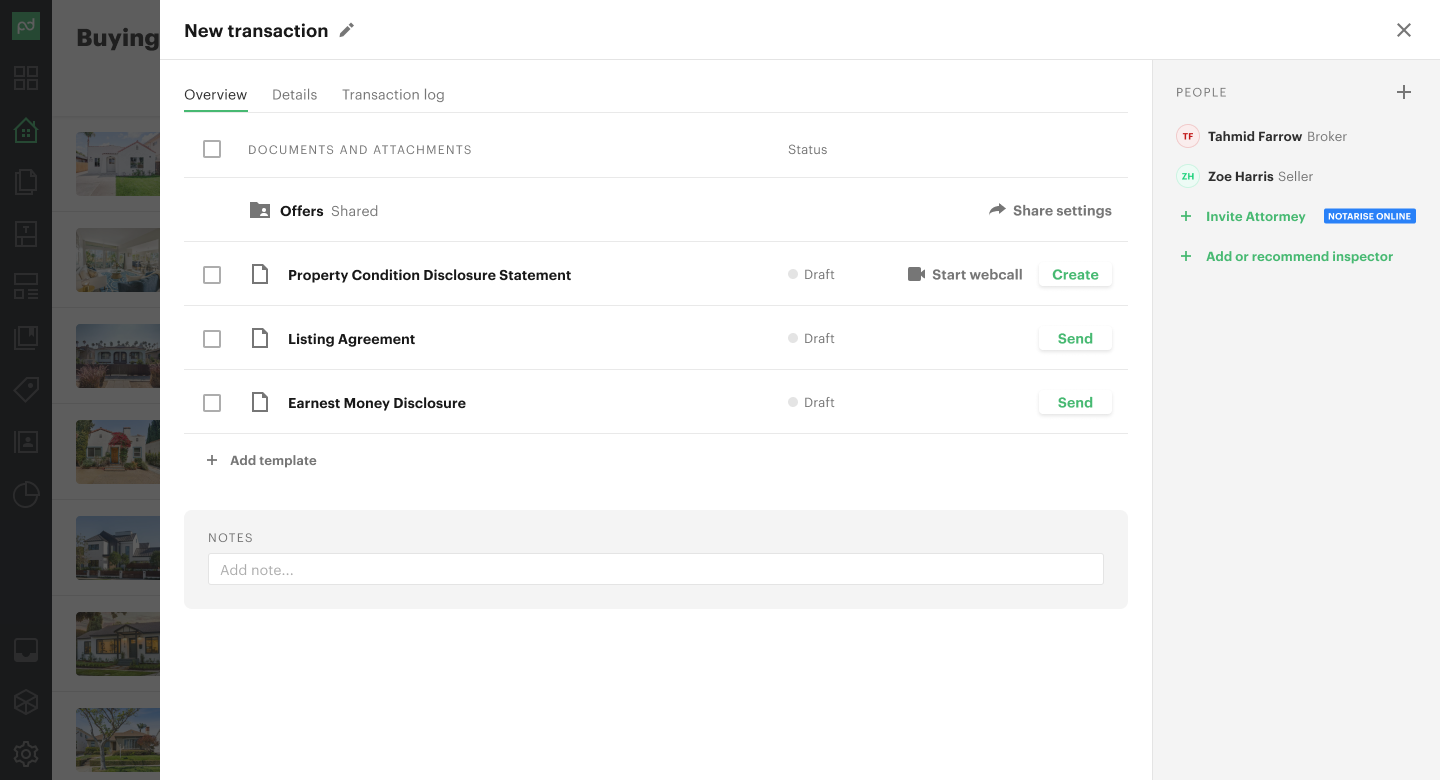
The idea came from US real estate, a huge market with over 6M property deals every year and more than 2M licensed agents. Every deal follows a similar path: documents, approvals, inspections, signatures.
We saw that PandaDoc was already part of this flow, but only for documents. So we decided to build a tool tailored for real estate transactions.
Research
Two clear personas appeared:

Agent
Needs speed, hates admin work

Manager
Oversees multiple deals, cares about visibility and compliance
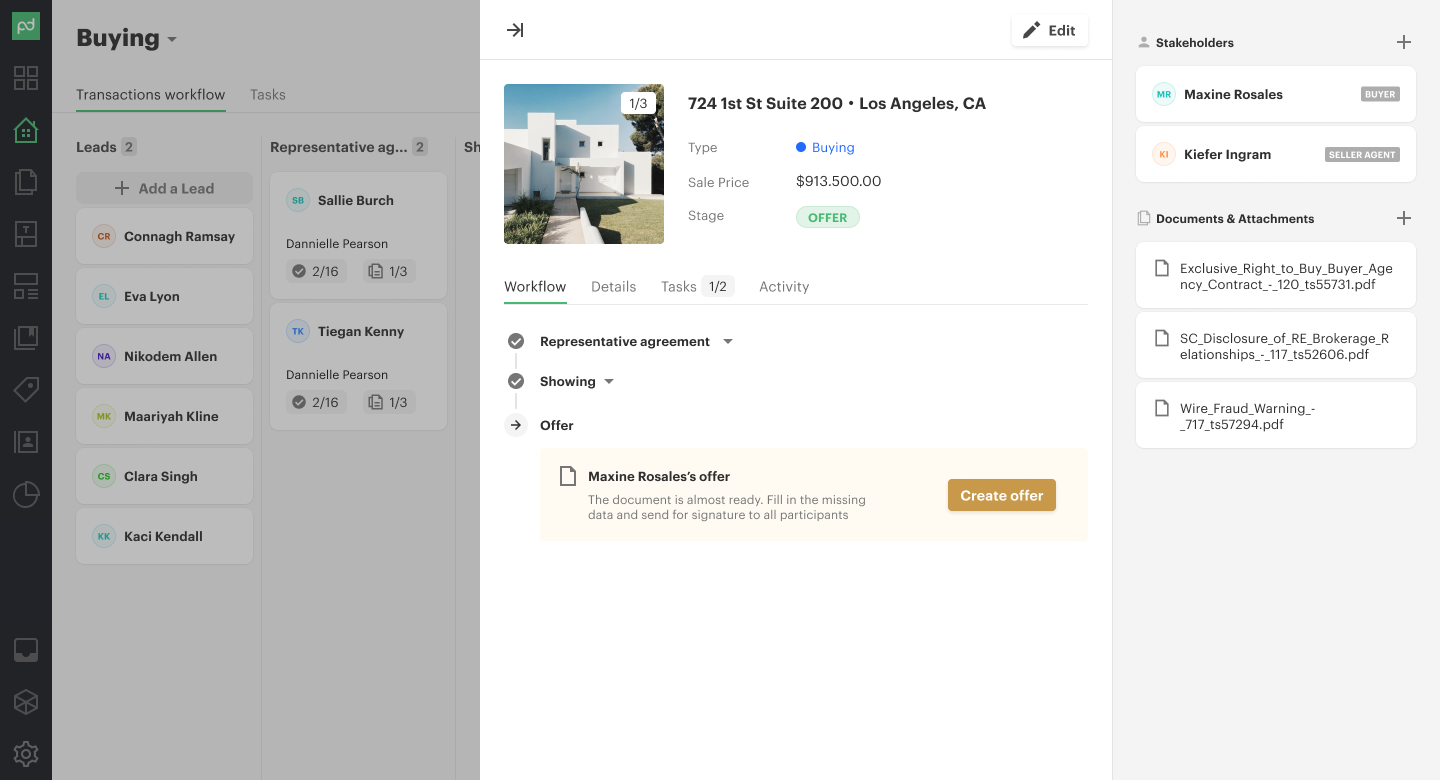
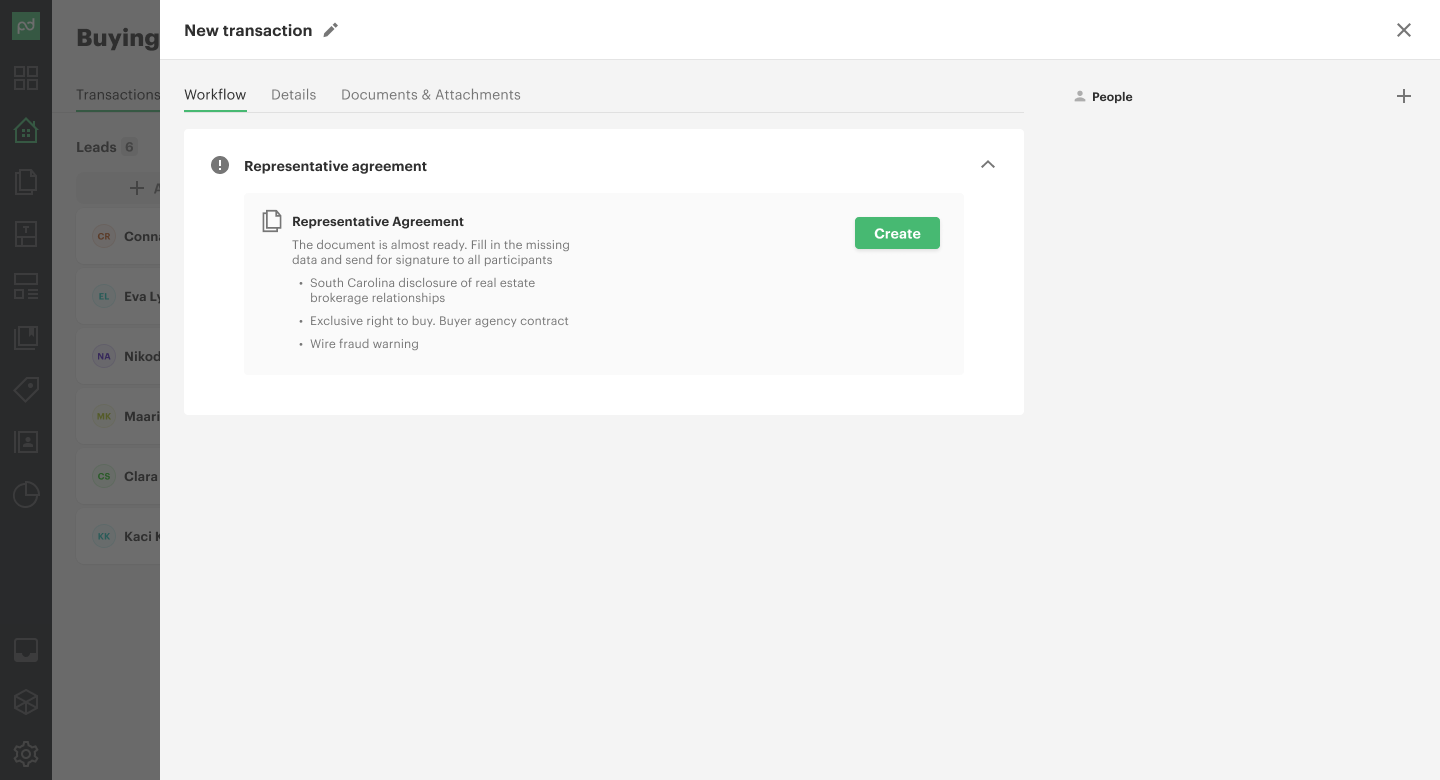
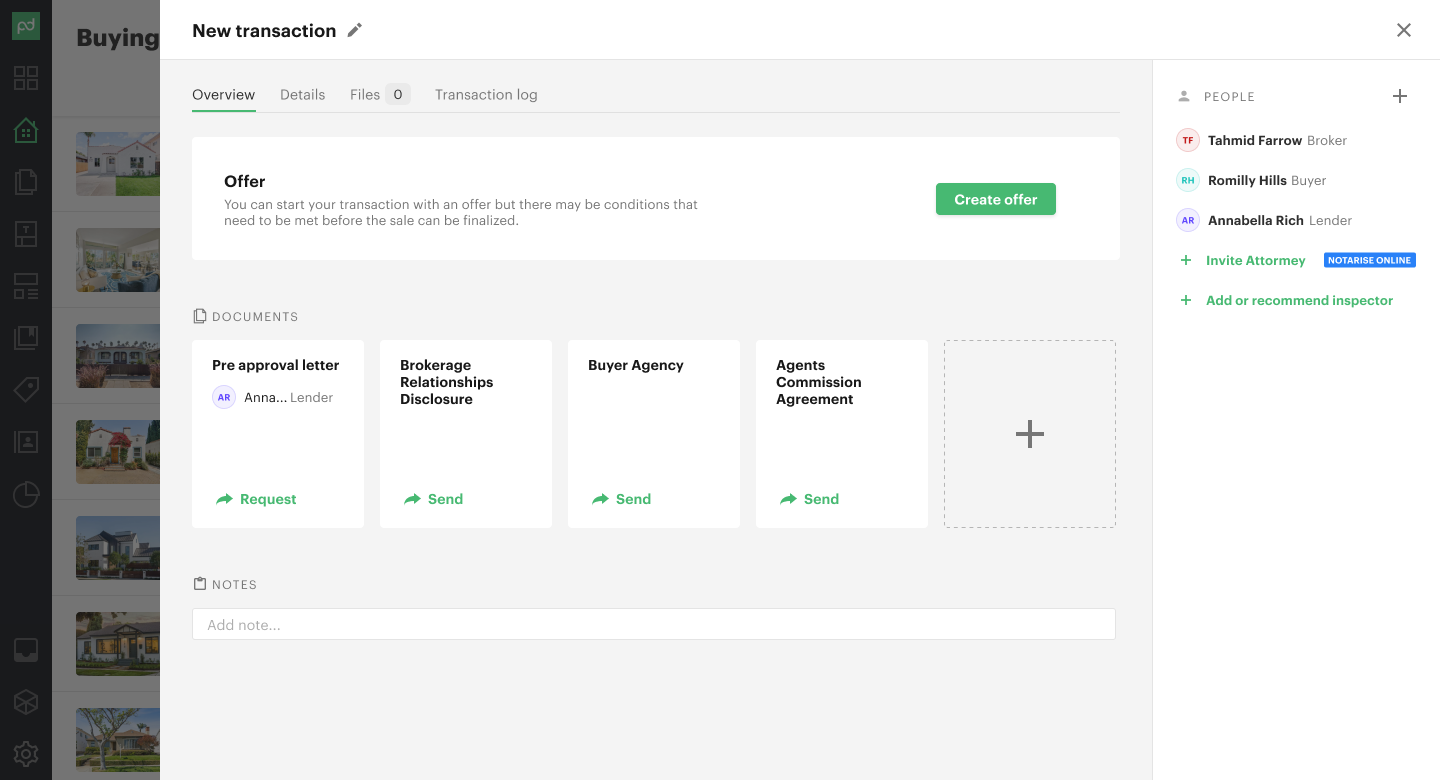
We talked to 20+ agents and managers from different states. Along the way, we tested different ways to organize workflows. I built interactive prototypes to check what fit their daily routines. Later, I scaled insights with unmoderated tests on UserTesting.
The Problem We Noticed
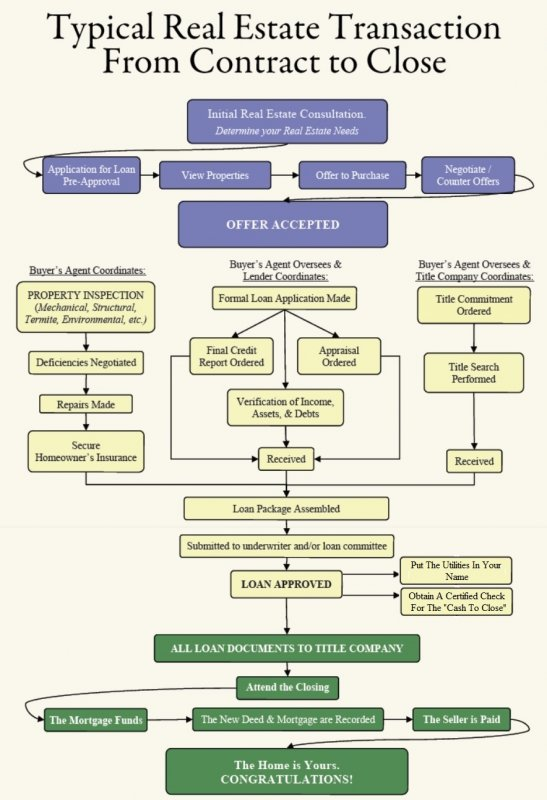
On paper, real estate deals look neat and linear. In reality, they rarely are. Some move step by step, others get messy and run in parallel, and people stick to their own habits.
New agents
Follow the flow step by step and rely on the instructions.
Experienced agents
Shortcut the process, run steps in parallel, and often close deals based on relationships.
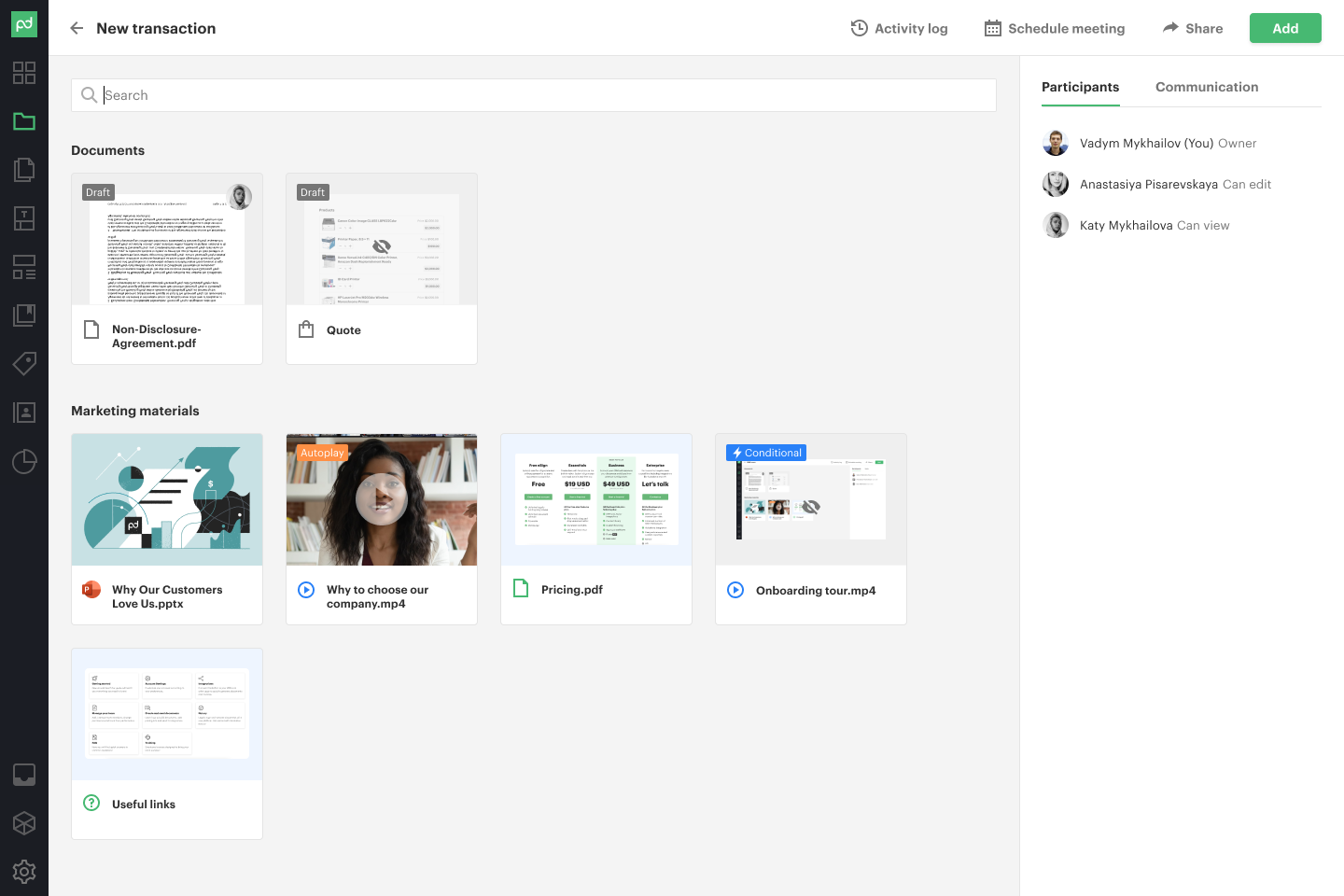
So instead of chasing one “perfect” workflow, we focused on building a shared space where people could drop in documents and keep the deal moving.
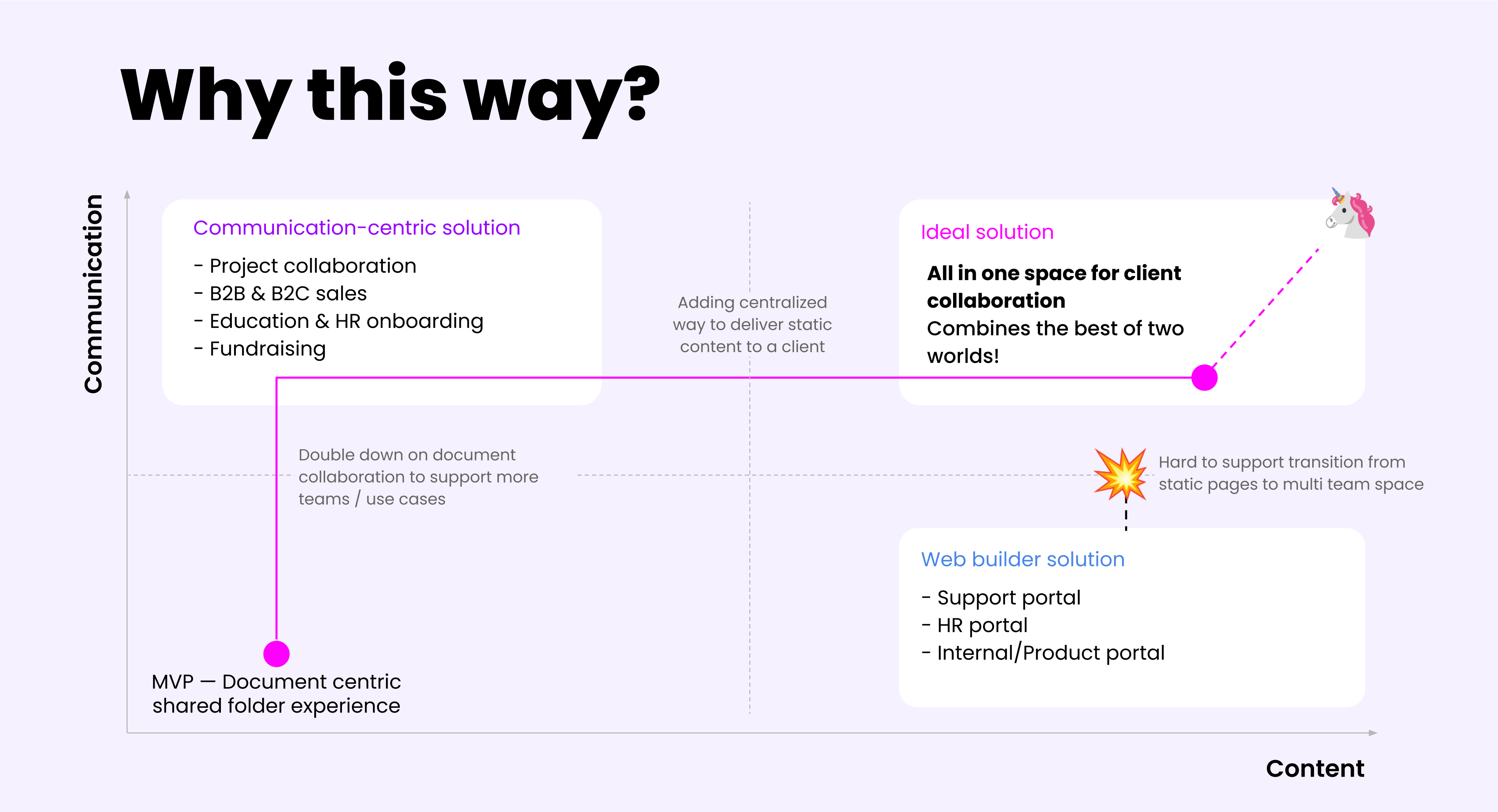
Real estate was just the starting point. We soon realized the need was much bigger: anyone working with multiple documents in context.
Prototyping: Three Big Directions
When we zoomed out from just real estate and looked at collaboration in general, three ideas stood out for how a shared space could work: Deal page, Chat-based, Shared folder.
We tested all three. Users found value in each, but for the MVP we chose the shared folder. It was fastest to build, simplest to manage, and the safest bet to move forward.
Solution Validation
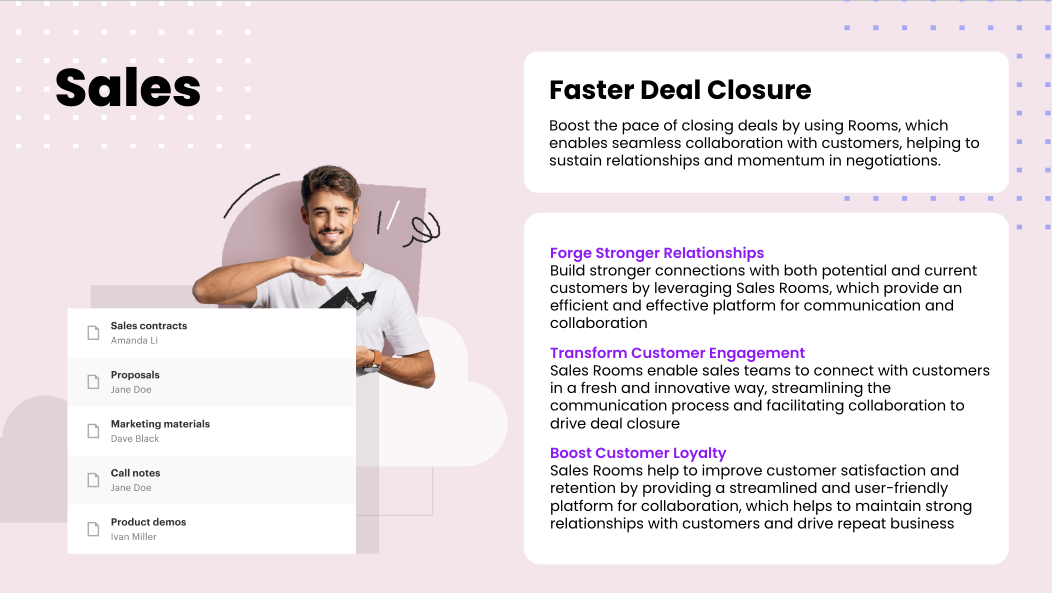
We ran 18 more interviews with existing customers and spotted two clear use cases: Sales teams, especially in B2B and software, were eager to adopt the feature, while smaller HR teams saw value in onboarding and secure document storage.
$20–$120
user / month
Expected price range
The MVP: Rooms
I built dozens of small prototypes to test features and onboarding ideas like welcome pages, task lists, and visibility rules. The hardest part was dealing with PandaDoc’s status-driven document lifecycle, which made permissions tricky. Power users got it, but newcomers were confused. This led us to a core design principle: keep things clear and self-explanatory instead of hiding logic behind automation.


Dependencies between document statuses and Room permissions.
Launch & Adoption
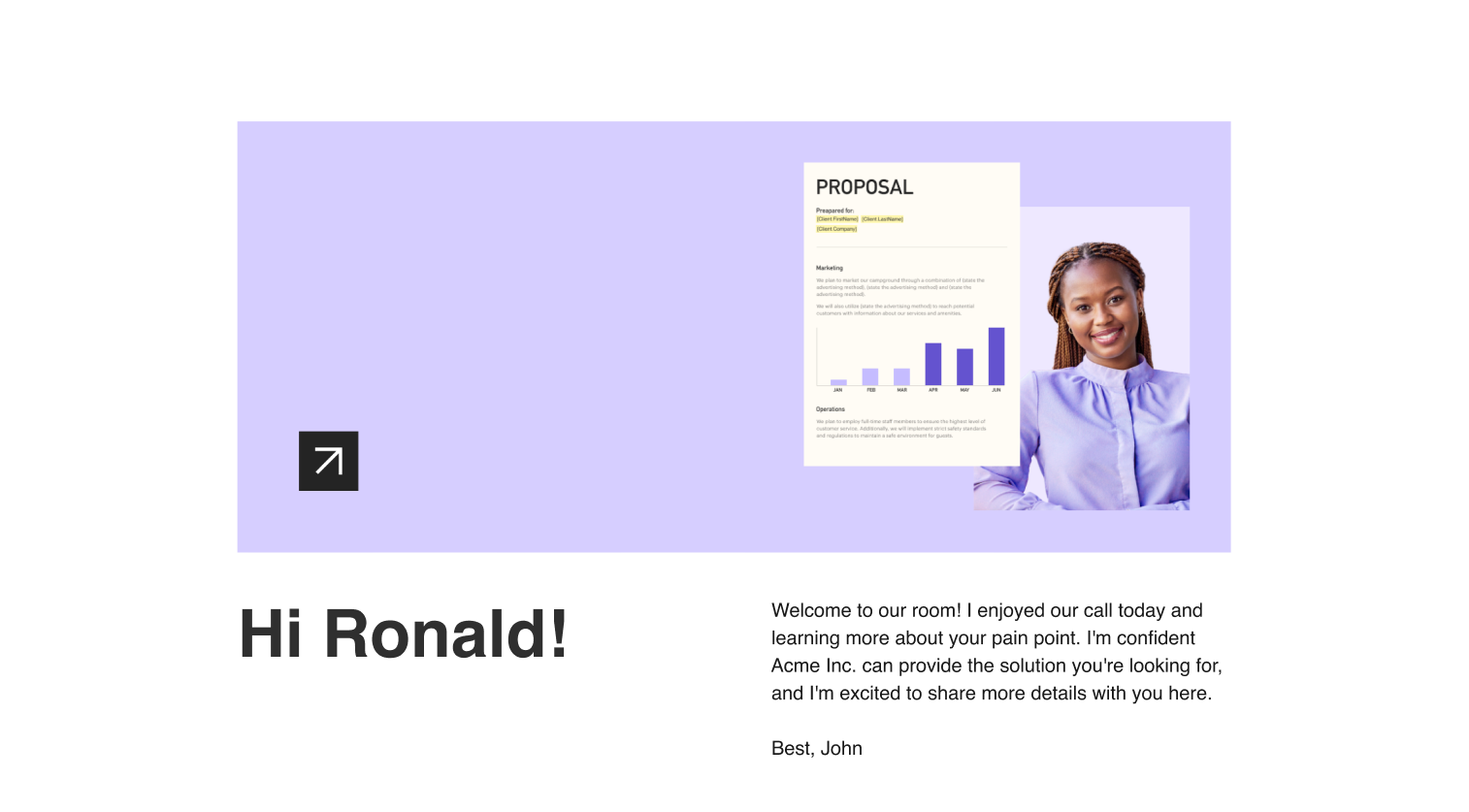
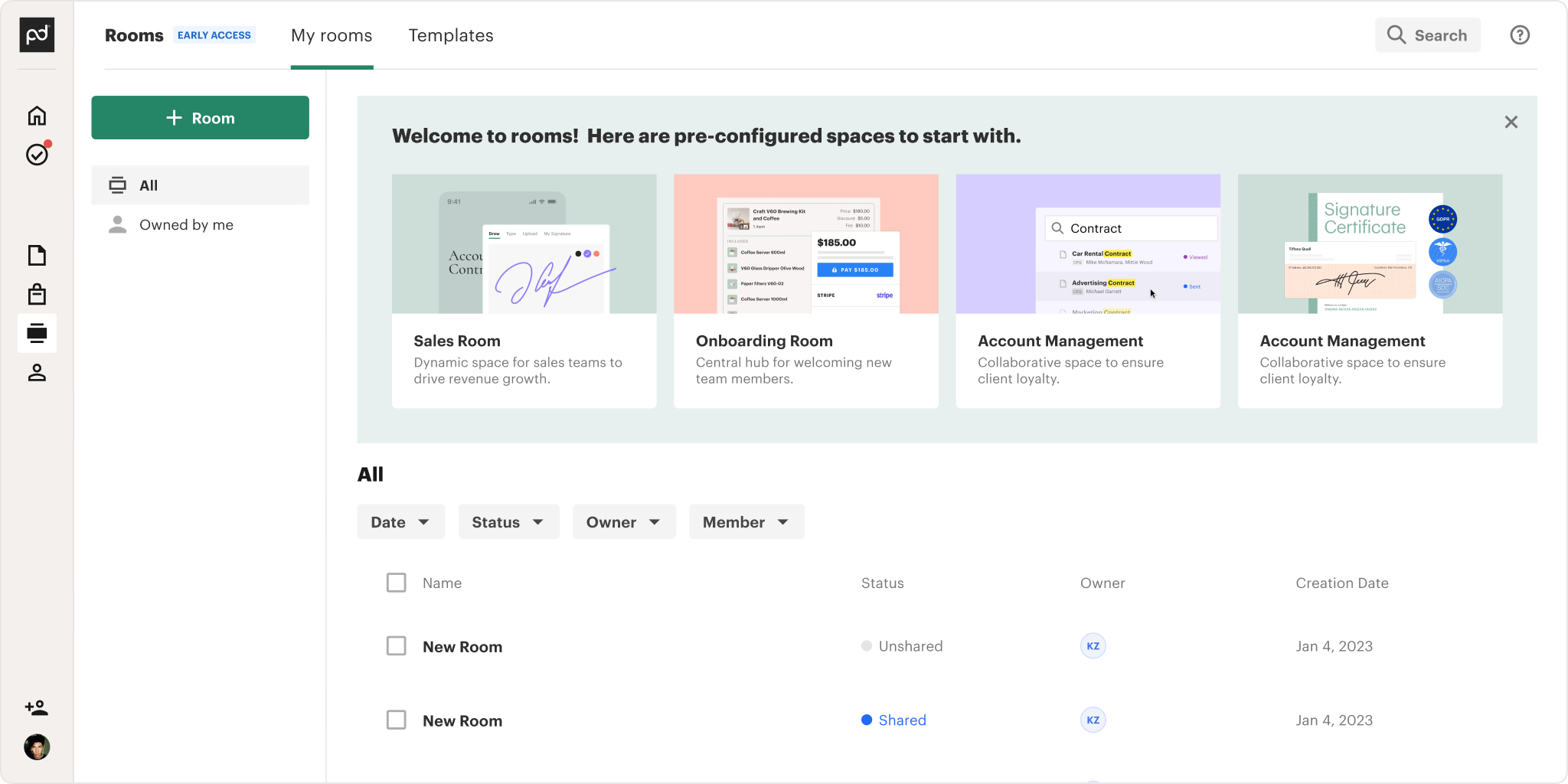
Rooms launched as a new way to collaborate inside PandaDoc. Teams could greet clients with a branded welcome page, guide them through tasks linked to documents, share multiple items including embeds, and get started fast with pre-installed templates.
























What Came Next
After launch we iterated fast, turning the MVP into a tool teams could rely on every day. Those improvements deserve a case study of their own.
In the bigger picture, Rooms became a stepping stone toward PandaDoc’s Workflow Builder vision. The goal was to bring chats, AI workflows, and deal templates together so documents, tasks, and people connect in one place.
Metrics
26.9%
of accounts became active the following month after launch
50%
stickiness rate for rooms (WAA/MAA)
83% → 71% → 70%
retention over the last 3 months
Lessons Learned
Start narrow, grow broad
Real estate was a great first use case, but adoption proved the need was much wider.
Clarity wins
Clear permissions and straightforward flows worked better for users than hidden “smart” automation.
Constraints spark creativity
Working around PandaDoc’s complex document lifecycle pushed us to design simpler, smarter solutions.

Case Study:Rooms at PandaDoc
What began as a tool for real estate eventually grew into a universal deal room platform.
Opportunity
US real estate market with 6M+ transactions/year and 2M+ agents
Research
100+ interviews and tests
My role
Product Design
User Research
User Interviews
Prototyping
Collaboration with Development
Impact & result
26.9%
of accounts became active the following month after launch
50%
stickiness rate for rooms (WAA/MAA)
83% → 71% → 70%
retention over the last 3 months
We Inspired Others
Pitch launched their own “Rooms.”
About PandaDoc
PandaDoc is a document automation platform helping 50,000+ businesses create, approve, and e-sign proposals, quotes, contracts, and more. It makes document workflows faster, clearer, and more collaborative.
How It Started
The idea came from US real estate, a huge market with over 6M property deals every year and more than 2M licensed agents. Every deal follows a similar path: documents, approvals, inspections, signatures.
We saw that PandaDoc was already part of this flow, but only for documents. So we decided to build a tool tailored for real estate transactions.
Research
Two clear personas appeared:
Agent
Needs speed, hates admin work
Manager
Oversees multiple deals, cares about visibility and compliance
We talked to 20+ agents and managers from different states. Along the way, we tested different ways to organize workflows. I built interactive prototypes to check what fit their daily routines. Later, I scaled insights with unmoderated tests on UserTesting.
The Problem We Noticed
On paper, real estate deals look neat and linear. In reality, they rarely are. Some move step by step, others get messy and run in parallel, and people stick to their own habits.
New agents
Follow the flow step by step and rely on the instructions.
Experienced agents
Shortcut the process, run steps in parallel, and often close deals based on relationships.
So instead of chasing one “perfect” workflow, we focused on building a shared space where people could drop in documents and keep the deal moving.
Real estate was just the starting point. We soon realized the need was much bigger: anyone working with multiple documents in context.
Prototyping: Three Big Directions
When we zoomed out from just real estate and looked at collaboration in general, three ideas stood out for how a shared space could work: Deal page, Chat-based, Shared folder.
We tested all three. Users found value in each, but for the MVP we chose the shared folder. It was fastest to build, simplest to manage, and the safest bet to move forward.
Solution Validation
We ran 18 more interviews with existing customers and spotted two clear use cases: Sales teams, especially in B2B and software, were eager to adopt the feature, while smaller HR teams saw value in onboarding and secure document storage.
$20–$120
user / month
Expected price range
The MVP: Rooms
I built dozens of small prototypes to test features and onboarding ideas like welcome pages, task lists, and visibility rules. The hardest part was dealing with PandaDoc’s status-driven document lifecycle, which made permissions tricky. Power users got it, but newcomers were confused. This led us to a core design principle: keep things clear and self-explanatory instead of hiding logic behind automation.


Dependencies between document statuses and Room permissions.
Launch & Adoption
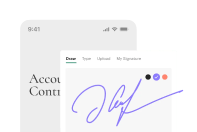
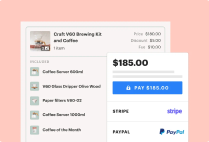
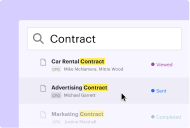
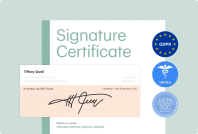
Rooms launched as a new way to collaborate inside PandaDoc. Teams could greet clients with a branded welcome page, guide them through tasks linked to documents, share multiple items including embeds, and get started fast with pre-installed templates.
























What Came Next
After launch we iterated fast, turning the MVP into a tool teams could rely on every day. Those improvements deserve a case study of their own.
In the bigger picture, Rooms became a stepping stone toward PandaDoc’s Workflow Builder vision. The goal was to bring chats, AI workflows, and deal templates together so documents, tasks, and people connect in one place.
Metrics
26.9%
of accounts became active the following month after launch
50%
stickiness rate for rooms (WAA/MAA)
83% → 71% → 70%
retention over the last 3 months
Lessons Learned
Start narrow, grow broad
Real estate was a great first use case, but adoption proved the need was much wider.
Clarity wins
Clear permissions and straightforward flows worked better for users than hidden “smart” automation.
Constraints spark creativity
Working around PandaDoc’s complex document lifecycle pushed us to design simpler, smarter solutions.
Case Study:Rooms at PandaDoc
What began as a tool for real estate eventually grew into a universal deal room platform.
Opportunity
US real estate market with 6M+ transactions/year and 2M+ agents
Research
100+ interviews and tests
My role
Product Design
User Research
User Interviews
Prototyping
Collaboration with Development
Impact & result
26.9%
of accounts became active the following month after launch
50%
stickiness rate for rooms (WAA/MAA)
83% → 71% → 70%
retention over the last 3 months
We Inspired Others
Pitch launched their own “Rooms.”
About PandaDoc
PandaDoc is a document automation platform helping 50,000+ businesses create, approve, and e-sign proposals, quotes, contracts, and more. It makes document workflows faster, clearer, and more collaborative.
How It Started
The idea came from US real estate, a huge market with over 6M property deals every year and more than 2M licensed agents. Every deal follows a similar path: documents, approvals, inspections, signatures.
We saw that PandaDoc was already part of this flow, but only for documents. So we decided to build a tool tailored for real estate transactions.
Research
Two clear personas appeared:
Agent
Needs speed, hates admin work
Manager
Oversees multiple deals, cares about visibility and compliance
We talked to 20+ agents and managers from different states. Along the way, we tested different ways to organize workflows. I built interactive prototypes to check what fit their daily routines. Later, I scaled insights with unmoderated tests on UserTesting.
The Problem We Noticed
On paper, real estate deals look neat and linear. In reality, they rarely are. Some move step by step, others get messy and run in parallel, and people stick to their own habits.
New agents
Follow the flow step by step and rely on the instructions.
Experienced agents
Shortcut the process, run steps in parallel, and often close deals based on relationships.
So instead of chasing one “perfect” workflow, we focused on building a shared space where people could drop in documents and keep the deal moving.
Real estate was just the starting point. We soon realized the need was much bigger: anyone working with multiple documents in context.
Prototyping: Three Big Directions
When we zoomed out from just real estate and looked at collaboration in general, three ideas stood out for how a shared space could work: Deal page, Chat-based, Shared folder.
We tested all three. Users found value in each, but for the MVP we chose the shared folder. It was fastest to build, simplest to manage, and the safest bet to move forward.
Solution Validation
We ran 18 more interviews with existing customers and spotted two clear use cases: Sales teams, especially in B2B and software, were eager to adopt the feature, while smaller HR teams saw value in onboarding and secure document storage.
$20–$120
user / month
Expected price range
The MVP: Rooms
I built dozens of small prototypes to test features and onboarding ideas like welcome pages, task lists, and visibility rules. The hardest part was dealing with PandaDoc’s status-driven document lifecycle, which made permissions tricky. Power users got it, but newcomers were confused. This led us to a core design principle: keep things clear and self-explanatory instead of hiding logic behind automation.

Dependencies between document statuses and Room permissions.
Launch & Adoption
Rooms launched as a new way to collaborate inside PandaDoc. Teams could greet clients with a branded welcome page, guide them through tasks linked to documents, share multiple items including embeds, and get started fast with pre-installed templates.






What Came Next
After launch we iterated fast, turning the MVP into a tool teams could rely on every day. Those improvements deserve a case study of their own.
In the bigger picture, Rooms became a stepping stone toward PandaDoc’s Workflow Builder vision. The goal was to bring chats, AI workflows, and deal templates together so documents, tasks, and people connect in one place.
Metrics
26.9%
of accounts became active the following month after launch
50%
stickiness rate for rooms (WAA/MAA)
83% → 71% → 70%
retention over the last 3 months
Lessons Learned
Start narrow, grow broad
Real estate was a great first use case, but adoption proved the need was much wider.
Clarity wins
Clear permissions and straightforward flows worked better for users than hidden “smart” automation.
Constraints spark creativity
Working around PandaDoc’s complex document lifecycle pushed us to design simpler, smarter solutions.